Irrigation And Plumbing Supplies – Jones Plumbing Plus
Irrigation and Plumbing Supplies: A Comprehensive Overview
Introduction
In the realm of modern infrastructure development, efficient water management and distribution systems are paramount for sustainable growth and community well-being. This is where Irrigation and Plumbing Supplies come into play, serving as the backbone for communities worldwide. This article aims to provide an in-depth exploration of this essential sector, covering its historical foundations, global reach, economic significance, technological innovations, regulatory framework, and future prospects. By delving into these aspects, we will uncover the critical role played by irrigation and plumbing supplies in shaping our world and ensuring a sustainable future.
Understanding Irrigation and Plumbing Supplies: A Comprehensive Definition
What are Irrigation and Plumbing Supplies?
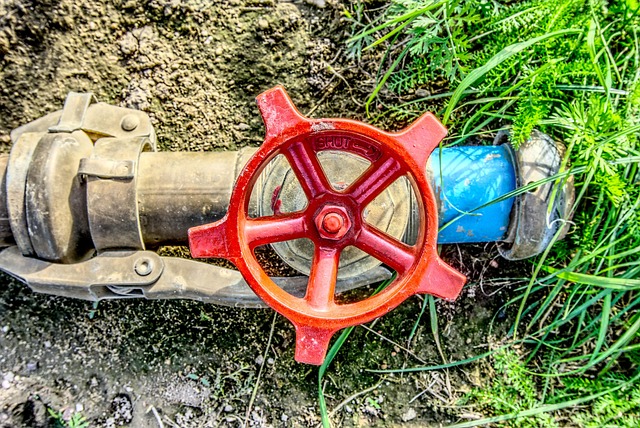
Irrigation and plumbing supplies encompass a diverse range of equipment, tools, and systems utilized for water distribution, management, and utilization within agricultural, industrial, and residential settings. This includes components such as pipes, valves, pumps, sprinklers, drip systems, filters, tanks, and control mechanisms. These supplies are essential for efficient water transport, ensuring the availability of clean water for various purposes.
Historical Context and Evolution
The concept of irrigation dates back centuries, with ancient civilizations like the Egyptians, Mesopotamians, and Chinese developing early forms of irrigation systems to cultivate crops in arid regions. Traditional methods included gravity-fed canals, wells, and simple pumps. Over time, these systems evolved with technological advancements, leading to the development of more sophisticated plumbing and irrigation networks during the Industrial Revolution.
In modern times, the integration of advanced materials, automation, and digital technology has revolutionized irrigation and plumbing supplies. Today, these systems are designed for precision, efficiency, and environmental sustainability, catering to diverse water management needs worldwide.
Core Components and Their Significance:
Pipes and Fittings: Essential for transporting water from sources to destinations, pipes come in various materials like copper, PVC, and steel, each with unique properties for different applications.
Valves and Controls: These regulate water flow, ensuring precise control over irrigation systems and enabling efficient distribution.
Pumps and Motors: Used to move water against gravity, pumps are vital for elevated storage and long-distance transportation.
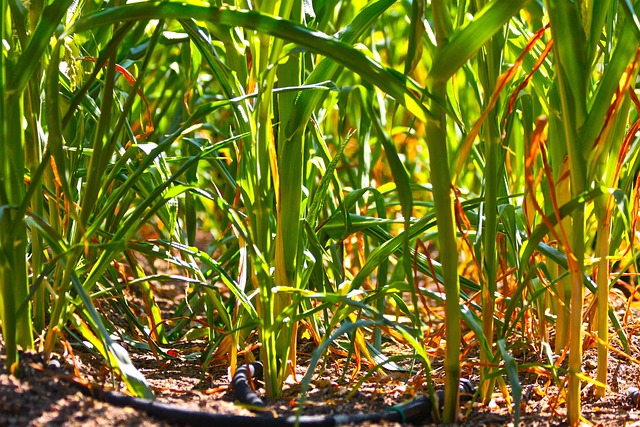
Sprinklers and Drip Systems: Efficient watering solutions for agricultural and landscaping purposes, offering precise application and water conservation.
Filters and Treatment Plants: Critical for ensuring water quality, these systems remove contaminants and impurities.
Tanks and Reservoirs: Store water for periods of low supply or during peak demand, providing a buffer for efficient management.
Global Impact and Trends
International Influence
Irrigation and plumbing supplies have a profound global impact, playing a pivotal role in food production, industry, and urban development. According to the Food and Agriculture Organization (FAO), around 60% of global freshwater resources are used for agriculture, highlighting the critical need for efficient irrigation systems.
Regional Disparities and Trends:
North America: Known for its advanced plumbing infrastructure, North American countries like the United States and Canada have invested heavily in smart irrigation technologies, aiming to reduce water wastage. The region’s focus on sustainability has led to the adoption of innovative systems, such as soil moisture sensors and weather-based controls.
Europe: With a strong emphasis on environmental protection, European nations are adopting eco-friendly plumbing practices. Countries like Germany and the Netherlands are leaders in developing sustainable irrigation solutions, including reclaimed water systems and advanced drainage technologies.
Asia: Rapid urbanization in Asia presents unique challenges and opportunities. China, for instance, has made significant strides in urban plumbing infrastructure, while countries like India are focusing on improving rural irrigation access to enhance agricultural productivity.
Emerging Markets: Countries in Latin America, Africa, and the Middle East are witnessing increased investment in irrigation systems to support agricultural growth and address water scarcity issues.
Market Dynamics:
The global irrigation and plumbing supplies market is characterized by steady growth, driven by factors such as rising population, urbanization, and the need for efficient water management. According to a report by Grand View Research, the market size was valued at USD 360.5 billion in 2020 and is expected to grow at a CAGR of 7.9% from 2021 to 2028. This growth is primarily attributed to:
Increasing adoption of smart irrigation systems in agriculture.
Rising demand for water purification and treatment plants.
Advancements in plastic piping and fittings technology.
Government initiatives promoting water conservation.
Economic Considerations
Market Structure and Investment Patterns
The market for irrigation and plumbing supplies is highly competitive, with a mix of multinational corporations, regional players, and specialized local suppliers. Key market segments include:
Agricultural Irrigation: Dominant in terms of revenue, this segment includes sprinkler systems, drip irrigation, and associated components.
Plumbing Infrastructure: Encompasses residential, commercial, and industrial plumbing systems, along with water treatment solutions.
Water Utilities: Public and private entities responsible for water distribution and management, investing heavily in infrastructure development.
Cost Analysis:
The cost of irrigation and plumbing supplies varies widely depending on the technology, materials used, and customization requirements. On average, a standard residential sprinkler system can range from $2,000 to $5,000, while larger-scale agricultural irrigation systems can cost millions of dollars. The economic viability of these systems is influenced by:
Initial installation costs versus long-term operational savings.
Energy efficiency and water conservation benefits.
Subsidies and incentives offered by governments for adopting sustainable practices.
Economic Impact:
Irrigation and plumbing supplies have a significant multiplier effect on the economy:
Agriculture: Efficient irrigation enhances crop yields, contributing to food security and agricultural growth.
Construction and Real Estate: Plumbing infrastructure is essential for new construction projects, driving economic development.
Water Utility Sector: Investments in water distribution networks stimulate local economies and create employment opportunities.
Technological Advancements
Innovations Shaping the Industry:
The sector has witnessed numerous technological breakthroughs that have transformed irrigation and plumbing practices:
Technology
Description
Impact
Smart Sensors
Utilize IoT (Internet of Things) technology to monitor soil moisture, temperature, and weather conditions, optimizing water usage.
Enhances water efficiency, reduces waste, and improves crop yield.
Droning Technology
Drones equipped with cameras and sensors provide aerial surveillance for large-scale irrigation systems, aiding in leak detection and system assessment.
Cost-effective monitoring solution, especially in hard-to-reach areas.
Automated Valves and Controls
These use actuators and digital controls to automate water flow, allowing precise management based on real-time data.
Reduces labor costs, improves system efficiency, and enhances control over irrigation schedules.
Precision Irrigation
Involves using GPS and geospatial data to deliver water precisely where needed, minimizing waste and maximizing crop productivity.
Optimizes water use, reduces environmental impact, and improves overall farm profitability.
Water Recycling Systems
Treats and recycles wastewater for non-potable uses, reducing the strain on fresh water sources.
Conserves water resources, particularly in regions facing water scarcity.
Digital Twin Technology
Creates digital replicas of irrigation systems, enabling simulation and optimization of water distribution networks.
Facilitates efficient design, testing, and management of complex plumbing systems.
Future Potential:
The future of irrigation and plumbing supplies is poised for further technological integration and sustainability-focused innovations:
Artificial Intelligence (AI) Integration: AI algorithms can analyze vast data sets to optimize irrigation schedules, predict system failures, and enhance overall water management.
Blockchain for Water Management: Distributed ledger technology can ensure transparent tracking of water usage, ownership, and distribution rights, promoting efficient resource allocation.
Advanced Material Development: Researchers are exploring new materials like graphene-based membranes for more efficient water filtration and purification.
Renewable Energy Integration: Solar-powered irrigation systems and smart pumps can reduce operational costs and environmental impact.
Policy and Regulation
Global and Regional Frameworks:
The development and management of irrigation and plumbing supplies are subject to various policies and regulations, ensuring sustainability, safety, and consumer protection. Key frameworks include:
United Nations Convention on the Law of the Sea (UNCLOS): Addresses ocean resources, including freshwater reserves, and promotes sustainable water management practices.
Sustainable Development Goals (SDGs): Specific goals, such as SDG 6 (Clean Water and Sanitation), emphasize access to clean water and efficient sanitation systems globally.
Regional Regulations: Different regions have their own sets of rules. For instance, the European Union’s Water Framework Directive focuses on water quality and ecosystem protection.
National Water Laws: Many countries have comprehensive legislation governing water resources, distribution, and consumption.
Impact on Industry Practices:
These policies influence industry practices in several ways:
Standardization: Governments often set standards for product quality, safety, and performance, ensuring consistent supply chain practices.
Environmental Compliance: Businesses must adhere to environmental regulations, leading to investments in eco-friendly technologies and practices.
Licensing and Permits: Installation and maintenance of plumbing systems may require permits, ensuring qualified professionals are involved.
Consumer Protection: Regulations protect consumers from substandard products and unsafe installation practices.
Challenges and Criticisms
Overcoming Barriers:
Despite its significance, the irrigation and plumbing supplies sector faces several challenges that require strategic solutions:
Water Scarcity and Pollution: In many regions, water scarcity poses a significant threat to agriculture and urban development. Effective irrigation practices and sustainable water management are essential to address this issue.
Climate Change: Changing weather patterns impact water availability and distribution, requiring adaptive strategies for efficient irrigation.
Infrastructure Aging: The world’s plumbing infrastructure is aging, leading to leaks, inefficiencies, and the need for costly upgrades.
Inefficient Water Usage: Traditional irrigation practices can lead to water wastage due to runoff and evaporation. Precision irrigation technologies offer a solution.
Cost of Adoption: Implementing advanced technologies and sustainable practices may be expensive, requiring financial incentives and government support.
Proposed Solutions:
To overcome these challenges, a multi-faceted approach is necessary:
Promote Water Conservation: Educate farmers and urban dwellers on efficient water usage practices and incentivize the adoption of smart irrigation systems.
Invest in Infrastructure: Governments should allocate funds for modernizing plumbing infrastructure, including pipe replacement and advanced treatment facilities.
Encourage Technological Adoption: Provide subsidies or tax benefits to encourage businesses and homeowners to invest in energy-efficient and smart plumbing solutions.
Regional Collaboration: International cooperation on water resource management can lead to better practices and technology sharing.
Research and Development: Continued R&D efforts are crucial for developing innovative, sustainable, and cost-effective irrigation and plumbing technologies.
Case Studies: Successful Applications
1. Precision Irrigation in California’s Central Valley:
California’s Central Valley, known for its agricultural productivity, implemented precision irrigation techniques across vast tomato and strawberry farms. By utilizing GPS technology and soil moisture sensors, farmers can deliver water precisely where needed, reducing waste by up to 30%. This has led to increased crop yields and improved environmental sustainability in the region.
2. Smart Plumbing in Singapore:
Singapore, a city-state with limited freshwater resources, has embraced smart plumbing solutions. The government’s “National Smart Water Grid” initiative integrates advanced sensors and digital controls to optimize water distribution. This system allows for real-time monitoring of leakages, precise pressure control, and efficient water allocation, ensuring sustainable water management in a densely populated urban environment.
3. Community-Based Irrigation in Kenya:
In rural Kenya, communities have organized themselves to establish local irrigation systems, enabling small-scale farmers to grow crops year-round. These community-managed projects provide sustainable access to water for agriculture, improving food security and local livelihoods. The success of these initiatives relies on community engagement, local knowledge, and simple, affordable irrigation technologies.
Future Prospects: Growth Areas and Emerging Trends
Potential Growth Areas:
Smart Cities and Urban Water Management: The rapid urbanization trend presents opportunities for developing intelligent plumbing systems that optimize water distribution, waste management, and energy consumption in cities.
Agricultural Technology (AgTech): Precision agriculture will continue to grow, driven by advanced irrigation technologies, data analytics, and IoT applications.
Water Recycling and Reuse: With increasing water scarcity, the recycling and reuse of wastewater will become more prevalent, reducing the strain on freshwater sources.
Renewable Energy Integration: Solar, wind, and other renewable energy sources will play a larger role in powering irrigation systems, reducing operational costs and environmental impact.
Emerging Trends:
Digital Twin Cities: Creating digital replicas of entire cities, including their plumbing infrastructure, to simulate and optimize water management strategies for future urban development.
Blockchain-based Water Trading: Using blockchain technology to facilitate the secure trade of excess water resources, ensuring fair distribution and pricing.
AI-driven Predictive Maintenance: Artificial intelligence can analyze system data to predict equipment failures, enabling proactive maintenance and reducing downtime.
Eco-friendly Plumbing Materials: Researchers are developing biodegradable and bio-based materials for pipes, fittings, and other plumbing components to minimize environmental impact.
Conclusion: Shaping a Sustainable Future
Irrigation and plumbing supplies form the backbone of modern society, ensuring access to clean water and enabling agricultural, industrial, and urban development. From traditional systems to cutting-edge technologies, this sector has evolved to meet the diverse needs of a growing global population. As we navigate the challenges of climate change, water scarcity, and environmental sustainability, efficient irrigation and plumbing practices will be pivotal in securing a sustainable future.
By embracing technological advancements, implementing policy frameworks, and fostering collaboration among stakeholders, the industry can continue to provide innovative solutions. The case studies presented highlight successful applications, offering valuable insights for future development. As we look ahead, the focus should remain on sustainability, efficiency, and ensuring equitable access to water resources worldwide.
FAQ Section:
Q1: What are the primary benefits of smart irrigation systems?
A: Smart irrigation systems offer precise water delivery, reducing waste by applying water only where needed. They can be controlled remotely, optimized based on weather data, and help monitor system health, leading to significant water and energy savings.
Q2: How does water recycling benefit the environment?
A: Water recycling involves treating and reusing wastewater for non-potable purposes, reducing the strain on freshwater sources. This process conserves water resources, protects ecosystems, and minimizes the environmental impact of traditional water extraction methods.
Q3: What role does government policy play in sustainable irrigation?
A: Governments set standards, provide incentives, and fund infrastructure development to promote sustainable irrigation practices. They also implement regulations to ensure efficient water usage, protect water quality, and encourage the adoption of eco-friendly technologies.
Q4: How can I reduce my plumbing energy costs?
A: You can reduce energy costs by installing energy-efficient appliances and fixtures. Upgrading to smart thermostats and using renewable energy sources like solar power for heating and pumping water can also significantly lower energy bills.
Q5: Are there any eco-friendly alternatives to traditional pipes?
A: Researchers are exploring biodegradable materials, such as plant fibers and bio-plastics, for pipes and fittings. These alternative materials offer a more sustainable option while maintaining durability and performance.
Jones Plumbing Plus transforms arid landscapes into lush oases through their extensive Irrigation And Plumbing Supplies. With a focus on efficiency and water conservation, their knowledgeable staff offers tailored advice on top-quality products…….
Jones Plumbing Plus offers high-quality Irrigation And Plumbing Supplies, including durable sprinkler risers that enhance landscape beauty while promoting responsible water usage. Praised by customers for improving plant health and reducing wast…….
Jones Plumbing Plus enhances landscapes and promotes sustainability with their superior irrigation fittings. Certified products ensure efficient water distribution, reducing usage by up to 50% and lowering bills for residential customers. The lo…….
Jones Plumbing Plus is a trusted provider of Irrigation And Plumbing Supplies, specializing in top-quality garden irrigation kits. Their expert team offers precision-engineered systems that save water (up to 40%) while promoting lush, vibrant ga…….
Jones Plumbing Plus, a leading irrigation systems provider, transforms outdoor spaces with expert skills and sustainable solutions. Their advanced technology, including smart sprinkler heads with soil moisture sensors, optimizes water distributi…….
Jones Plumbing Plus is a trusted provider of Irrigation And Plumbing Supplies, specializing in efficient water management solutions for diverse landscapes. Their high-quality irrigation adapters and expert advice have successfully transformed ou…….
Jones Plumbing Plus is a leading expert in sustainable gardening solutions, offering innovative watering systems that save up to 50% water compared to traditional methods. Their Smart Irrigation System and smart sprinkler system reduce water con…….
Jones Plumbing Plus is the go-to provider of top-tier irrigation solutions, boasting a 95% customer satisfaction rate and numerous positive reviews. They offer a curated selection of high-quality hoses from industry leaders like Netafim, featuri…….
Jones Plumbing Plus is a leading provider of advanced water filtration systems, prioritizing healthy living through clean water. With an impressive 98% customer satisfaction rate, their state-of-the-art filters eliminate harmful contaminants lik…….
Jones Plumbing Plus is a trusted source for high-quality Irrigation And Plumbing Supplies, specializing in durable rural poly fittings. With an expert team ensuring all products meet rigorous industry standards, strategic partnerships enable swi…….
Jones Plumbing Plus is a leading provider of Irrigation And Plumbing Supplies, renowned for durability, efficiency, and eco-friendliness. Their drip line tubing systems enable significant water conservation (up to 30%) for both residential and c…….
Jones Plumbing Plus is a leading provider of high-quality Irrigation And Plumbing Supplies, specializing in efficient drip irrigation systems. With years of industry experience, they've successfully transformed landscapes, achieving up to 4…….
Jones Plumbing Plus offers superior-quality irrigation controllers, rigorously tested and endorsed by industry experts, that optimize watering across diverse landscapes while allowing customization for specific plant needs. Their cutting-edge so…….
Jones Plumbing Plus is a leading provider of sprinkler risers, offering high-quality, durable solutions for diverse buildings and climates. With extensive industry experience, they ensure fire safety through tailored riser designs, quick respons…….
Jones Plumbing Plus is a trusted provider of Irrigation And Plumbing Supplies, particularly catering to rural communities with its specialized rural poly fittings. Through high-quality products, timely deliveries, and expert advice, they enable…….
Jones Plumbing Plus is a trusted, leading provider of premium Toro sprinklers, renowned for their efficient irrigation solutions. With years of experience and expert knowledge, they transform outdoor spaces, achieving 30% water usage reduction w…….
Jones Plumbing Plus is a leading provider of high-quality, reliable pipe fittings, known for their durability, performance, and superior craftsmanship. With rigorous testing, an extensive range of materials, and expert selection, they ensure lea…….
Jones Plumbing Plus provides top-tier Irrigation And Plumbing Supplies, specializing in innovative irrigation solutions that save water (up to 40%), enhance plant health, and promote sustainability. Their advanced timers and expert selection ach…….
Jones Plumbing Plus offers precision-engineered irrigation clamps, renowned for durability and efficiency gains of up to 30%. Their Irrigation And Plumbing Supplies cater to diverse systems, ensuring leak-free connections and long-term performan…….
Jones Plumbing Plus revolutionizes landscaping with tailored irrigation systems. Leveraging local climate expertise and advanced tech, they achieve up to 50% water savings while fostering lush plant growth. With a 95% positive Google review rati…….